
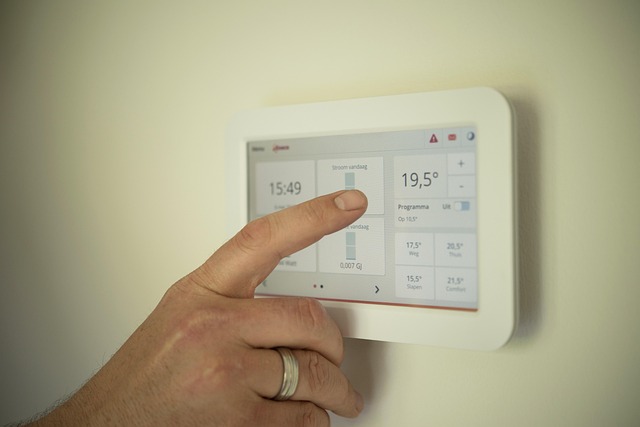
Best smart thermostat for apartments.
A smart thermostat can really save energy in an apartment!
Heating is one of the biggest energy expenses for apartments across Europe.
With rising energy prices, many apartment owners and renters wonder whether installing a smart thermostat actually leads to real savings — or if it’s just another tech upgrade with limited impact.
In this guide, we break down how much energy a smart thermostat can realistically save in an apartment, what factors matter most, and when the investment makes sense.
If you’re considering upgrading, our guide to the 👉 best smart thermostat for apartments compares the most effective options for European homes.
Short Answer: Do Smart Thermostats Save Energy in Apartments?
Yes — but only under the right conditions.
In apartments, smart thermostats typically reduce heating energy use by 10% to 25%, depending on:
- heating system type
- user behavior
- apartment size and insulation
- how the smart features are used
The key is not the device itself, but how it’s configured and used.
Why Apartments Are Different From Houses
Apartments have unique characteristics that directly affect energy savings:
- Smaller living spaces
- Shared walls that reduce heat loss
- Limited control over central heating systems
- Rental restrictions on installation
Because of this, apartments usually achieve lower absolute savings, but often better cost-efficiency compared to houses.
Where Smart Thermostats Save Energy in Apartments
1. Smarter Scheduling
One of the biggest advantages of a smart thermostat is automatic scheduling.
Instead of heating the apartment all day:
- temperatures are lowered when you’re away
- heating resumes shortly before you return
Even in small apartments, this can reduce unnecessary heating hours significantly.
2. Geofencing and Presence Detection
Many smart thermostats use location-based automation.
When no one is home:
- heating is reduced automatically
- energy is not wasted on empty rooms
In apartments with predictable routines, this feature alone can lead to noticeable savings.
3. Room-by-Room Temperature Control
Apartments with radiator-based heating benefit from individual room control.
This allows you to:
- heat living areas normally
- reduce heating in bedrooms or unused rooms
Smart radiator valves are particularly effective in this scenario.
4. Usage Insights and Awareness
Smart thermostats provide:
- heating reports
- usage history
- temperature patterns
This visibility helps users identify inefficiencies and adjust habits, which is often overlooked but critical for long-term savings.
How Much Can You Save? Realistic Numbers
For a typical European apartment:
- Small apartment (40–60 m²):
→ 10–15% heating energy reduction - Medium apartment (60–90 m²):
→ 15–20% heating energy reduction - Larger apartment or poorly insulated unit:
→ up to 25% with room-by-room control
Actual savings depend heavily on starting habits.
If you already manage heating efficiently, savings will be smaller — but still meaningful.
Factors That Impact Energy Savings the Most
Heating System Compatibility
Smart thermostats perform best when fully compatible with:
- gas boilers
- district heating systems
- radiator-based setups common in Europe
Poor compatibility limits automation and savings.
Installation Type
Wireless thermostats and smart radiator valves are often more suitable for apartments, especially rentals.
Incorrect installation reduces effectiveness.
User Behavior
Smart thermostats are not “set and forget” devices.
Savings increase when users:
- fine-tune schedules
- review usage data
- avoid constant manual overrides
Common Mistakes That Reduce Savings
- Heating the entire apartment instead of selected rooms
- Ignoring scheduling features
- Using “manual mode” all the time
- Choosing US-focused devices with limited EU compatibility
Avoiding these mistakes often matters more than the brand itself.
Are Smart Thermostats Worth It for Apartments?
For most apartments, yes, especially if:
- heating costs are high
- schedules are predictable
- room-by-room control is possible
- installation does not require major modifications
Payback time is often 1–3 heating seasons, depending on energy prices and usage.
When a Smart Thermostat May Not Be Worth It
- Very small studio apartments with low heating usage
- Apartments where heating is centrally controlled with no user input
- Short-term rentals where installation costs can’t be justified
In these cases, simpler energy-saving measures may be more effective.
Final Verdict: Do Smart Thermostats Actually Save Energy in Apartments?
Smart thermostats can deliver real energy savings in apartments, but the results depend on choosing the right type of device and using it properly.
Click 👉 Hier to see Apartment-Friendly Smart Thermostats.
For many European apartments, especially those with radiator heating or predictable routines, smart thermostats and smart radiator valves are among the most effective energy-saving upgrades available.